A Group Dining Checklist for a Wine Country Celebration in Napa
Planning a group meal in Napa Valley
Organizing a celebration in wine country means coordinating a dozen details at once. The setting is beautiful, but the logistics of feeding a crowd can test anyone’s patience. A clear checklist keeps the process smooth so you can focus on enjoying the day with your guests.
Start by thinking about what kind of gathering you want. A seated dinner feels formal and intimate. A tapas-style meal encourages people to move around and share plates. A buffet works well for larger groups where guests may arrive at different times. Your choice shapes everything else: the venue, the menu, the service style, and how much flexibility you have with dietary needs.
One of the first things to do is talk with a local restaurant or catering service that understands the rhythm of wine country dining. A place like Zuzu, for instance, has been serving Spanish-inspired flavors in downtown Napa since 2002 and knows how to pair small plates with a celebratory mood. Their experience with shared courses can give you ideas for a menu that feels generous without overwhelming the table.
Nail down the guest count early
The number of people you invite drives almost every other decision. Restaurants in Napa often have limited capacity, especially during peak seasons like harvest or summer weekends. A precise headcount lets the kitchen prepare the right amount of food and helps you choose between private dining rooms, semi-private spaces, or a reserved section of the main floor.
Be realistic about who will actually show up. Wine country events sometimes see last-minute cancellations because of traffic, tasting room fatigue, or family obligations. Build in a small buffer but don’t overcommit. If you have twenty confirmed guests, don’t tell the venue you might have thirty. That kind of uncertainty makes it hard for the kitchen to pace service and can lead to long waits.
Once you have a solid count, ask about minimum spending requirements. Some venues require a certain total per person or a minimum food and beverage spend for group bookings. Knowing this early helps you plan the menu and the bar tab without surprises.
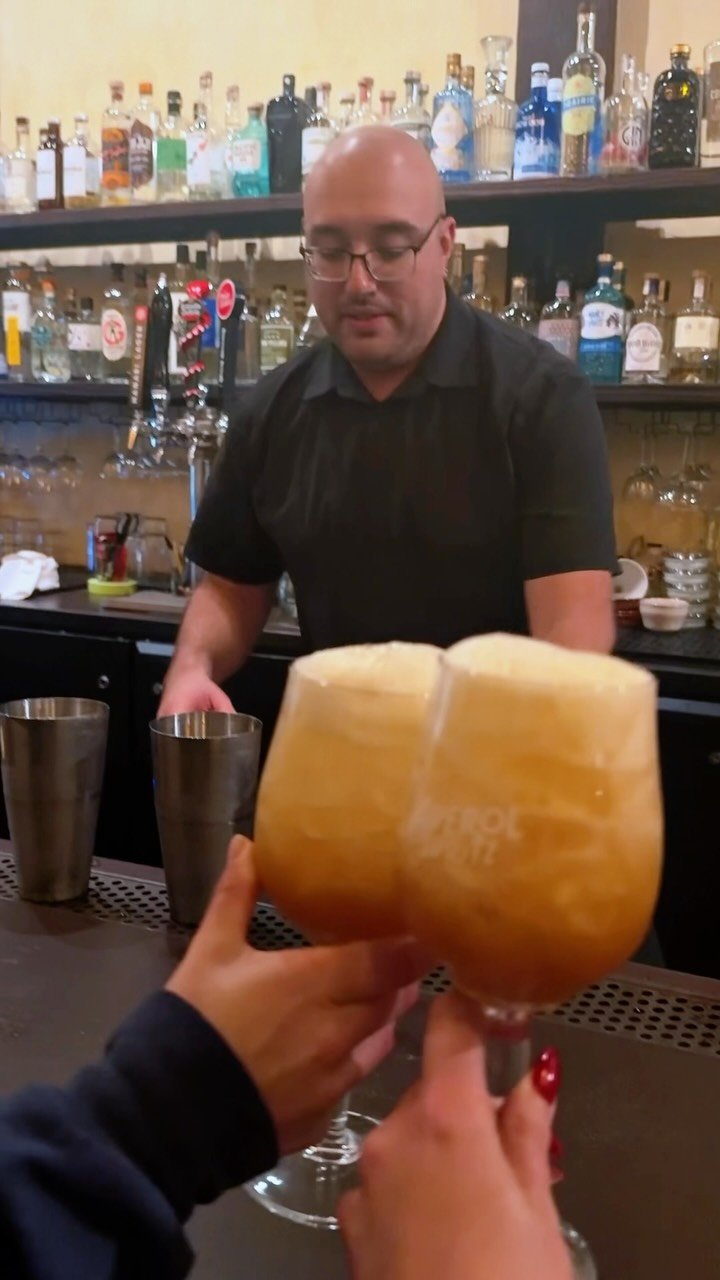
Choose a menu that suits the group
Wine country meals are often about grazing and tasting. A menu built around small plates, shared platters, and a few larger dishes works well because it lets guests customize their own experience. Someone who wants a light lunch can pick at vegetables and cheese, while a heartier appetite can load up on paella or grilled meats.
Think about the flow of the meal. Start with a few cold appetizers while people settle in and pour their first glass. Follow with warm shared courses, then a main dish that anchors the table. End with something sweet or a cheese course. This structure keeps the energy up and gives the kitchen clear timing cues.
Zuzu is also on Instagram.
Dietary restrictions are almost guaranteed in a group of more than six or seven people. Ask guests ahead of time about allergies, intolerances, and strong preferences. Common issues include gluten, dairy, nuts, and shellfish. A good catering service will have options for most needs, but they need advance notice. If someone is vegan or has celiac disease, the kitchen may need to prepare separate dishes or modify recipes. Don’t wait until the day before to share this information.
Wine pairings can elevate the meal, but not everyone drinks. Offer a non-alcoholic pairing as well, sparkling water, house-made shrubs, or a non-alcoholic wine. It makes the whole table feel included.
Check the space and setup
The physical layout of the dining area matters more than most people realize. A long table encourages conversation across the group but can make it hard for people at opposite ends to hear each other. Round tables feel more intimate and work well for smaller clusters. If the party is large, a mix of tables often works best.
Ask about indoor dining versus outdoor dining. Napa evenings can be cool even in summer, so a patio with heaters and wind protection is nice but may not be comfortable in a chill. An indoor space with good acoustics is better for speeches or toasts. If you have guests who use wheelchairs or have limited mobility, check that the route from the parking area to the table is accessible and that the restrooms are easy to reach.
Lighting sets the mood. Bright overhead lights can feel harsh for a celebration, while dim lighting makes it hard to see the food. Ask if the venue can adjust the lights or if they have dimmers. Candlelight or string lights add warmth without washing out the table.

Confirm timing and pacing
A group meal in wine country should feel leisurely but not slow. Work with the restaurant to set a timeline for the event. When will appetizers start? How long between courses? When is the last call for the bar? Having a rough schedule helps the kitchen and the servers pace themselves, and it gives your guests a sense of the evening’s rhythm.
If you have activities planned after the meal, a toast, a gift exchange, or a short walk, let the venue know. They may be able to clear the table a bit earlier or hold the dessert course until after the speeches. Communication is key.
One thing that often gets overlooked is the arrival time. If your group is coming from different tasting rooms or hotels, they may trickle in over fifteen or twenty minutes. Let the restaurant know so they don’t start serving the first course before half the party is seated. A short welcome drink period gives everyone time to arrive and settle in.
Handle the bill gracefully
Group dining in wine country can get expensive, and nothing kills a celebration like a confusing bill. Decide ahead of time how the payment will work. One person can cover the whole tab, or the group can split evenly. Itemized splits are messy and slow things down. If you plan to split, let the server know early so they can track each person’s order separately if the system allows.
Gratuity is another detail to sort out. Many group dining policies add an automatic service charge for parties of six or more. Ask what that percentage is and whether it covers the tip entirely or if additional gratuity is expected. Knowing this in advance avoids awkward calculations at the end of the night.
Plan for the unexpected
Even the best-laid plans can hit a snag. A guest gets stuck in traffic. A dish runs out. The weather turns and the outdoor seating becomes less appealing. Build a little flexibility into your plan. Have a backup idea for the toast if the original spot is too windy. Let the venue know you’re open to suggestions if something needs to change.

It also helps to assign a point person for the group, someone who can communicate with the restaurant staff and keep the evening moving. That person can handle timing questions, relay dietary updates, and deal with any hiccups so the rest of the guests can relax.
Bring the celebration to life
The whole point of a wine country celebration is to share good food and good company in a beautiful setting. A checklist like this helps you cover the practical bases so the evening feels effortless. When the logistics are handled, you can be present with your guests and enjoy the meal.
If you are planning an event in downtown Napa, a local option like Zuzu can provide catering and dining for groups. Their Spanish-inspired menu and experience with small plates make them a natural fit for a wine country gathering. You can reach them at 829 Main St, Napa, CA 94559, USA, or call +1 707-224-8555 to discuss your event.
Ends · THESMALLPLATE